


Perfect for small renovation projects!
"I used this for a small bathroom remodel and it was a total game-changer. The mat is very easy to handle and cut to size."
You might like
12 in stock
Couldn't load pickup availability
Payment Reminder
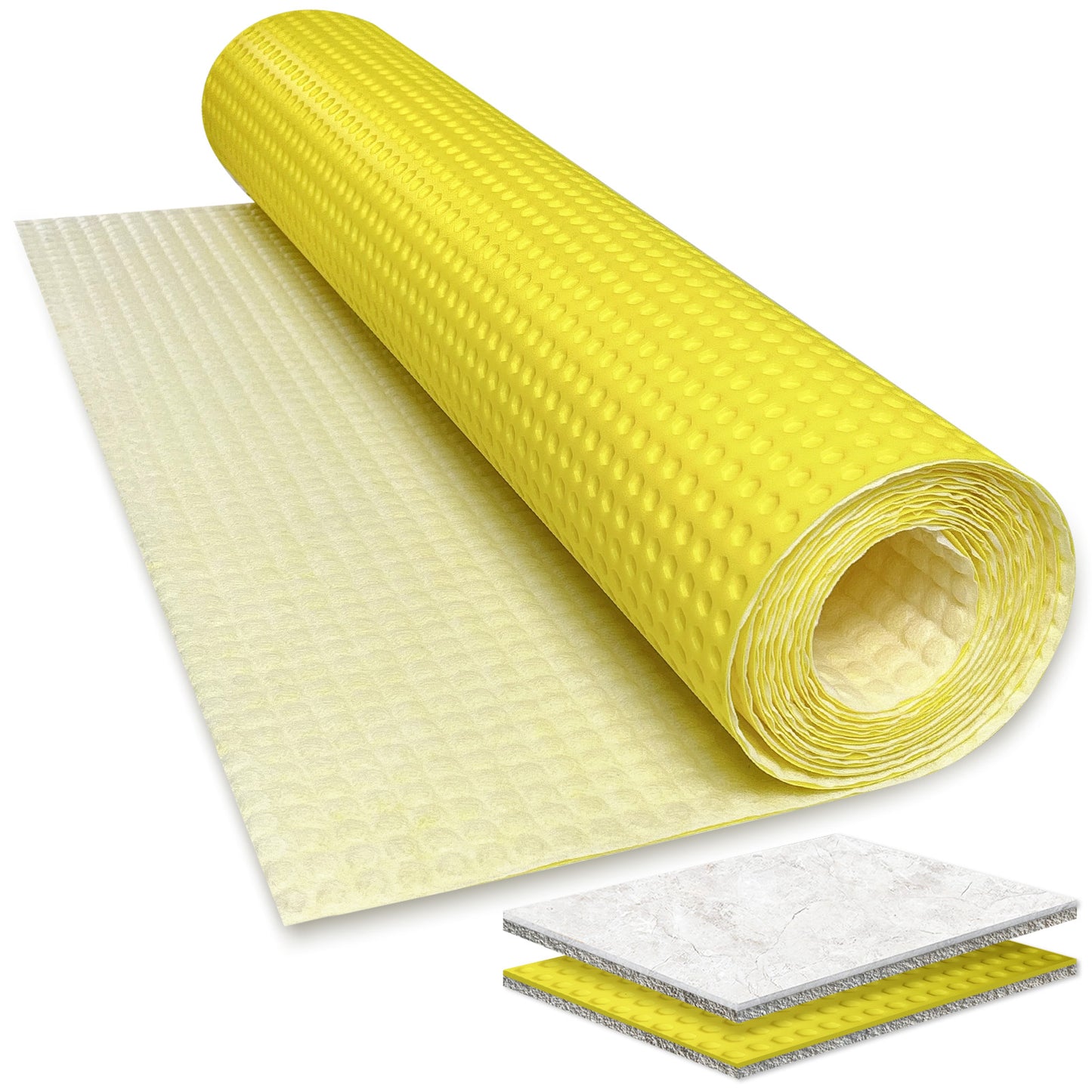
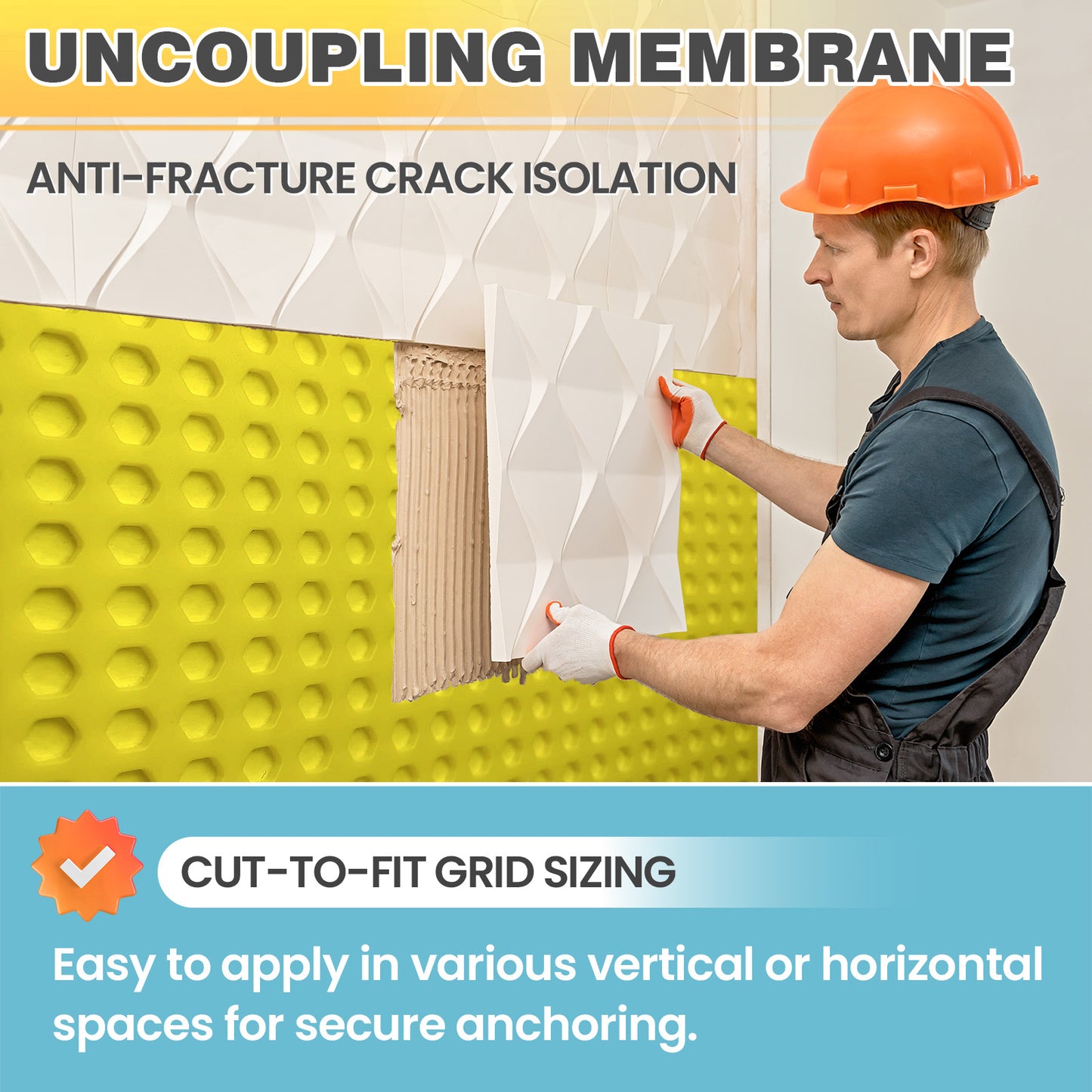
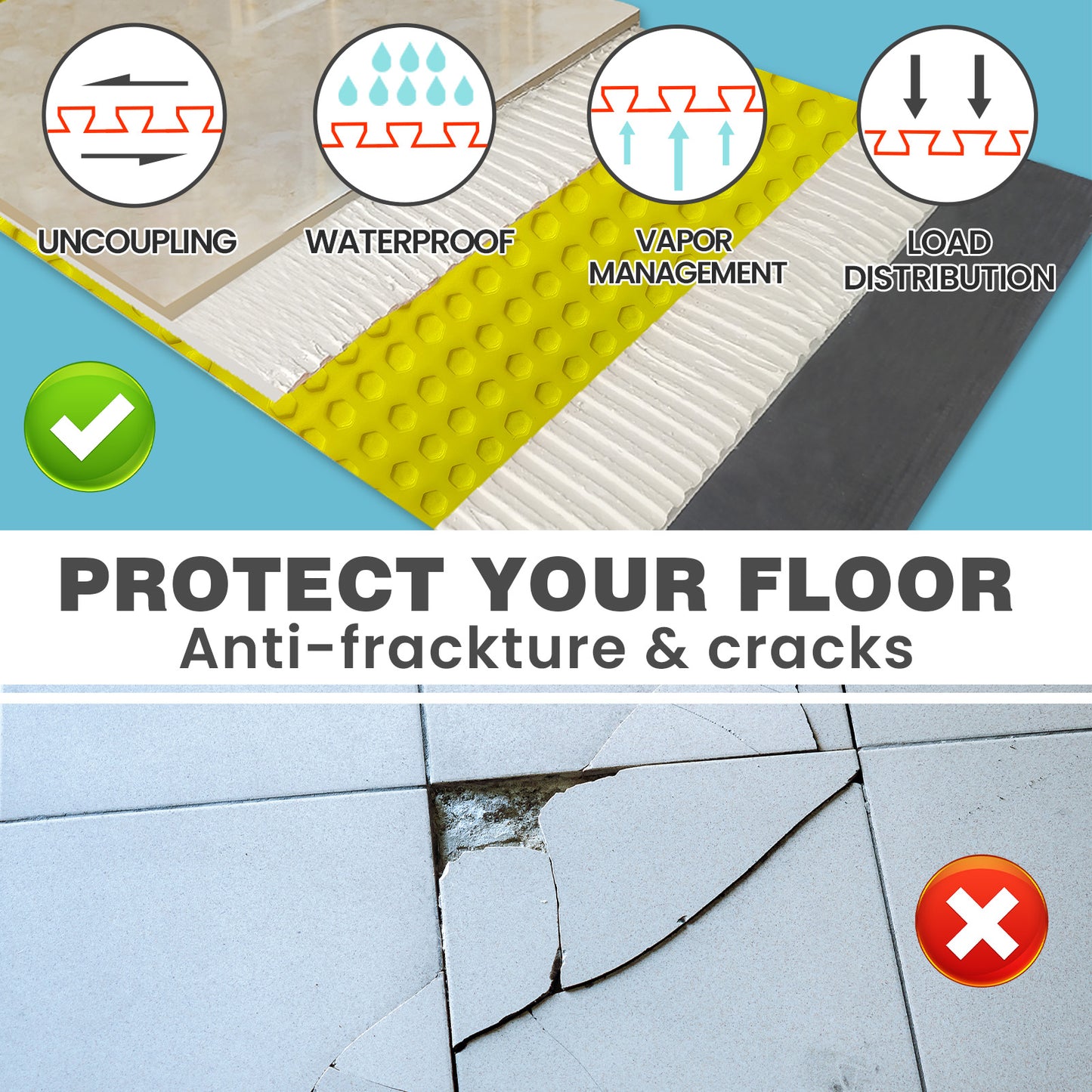
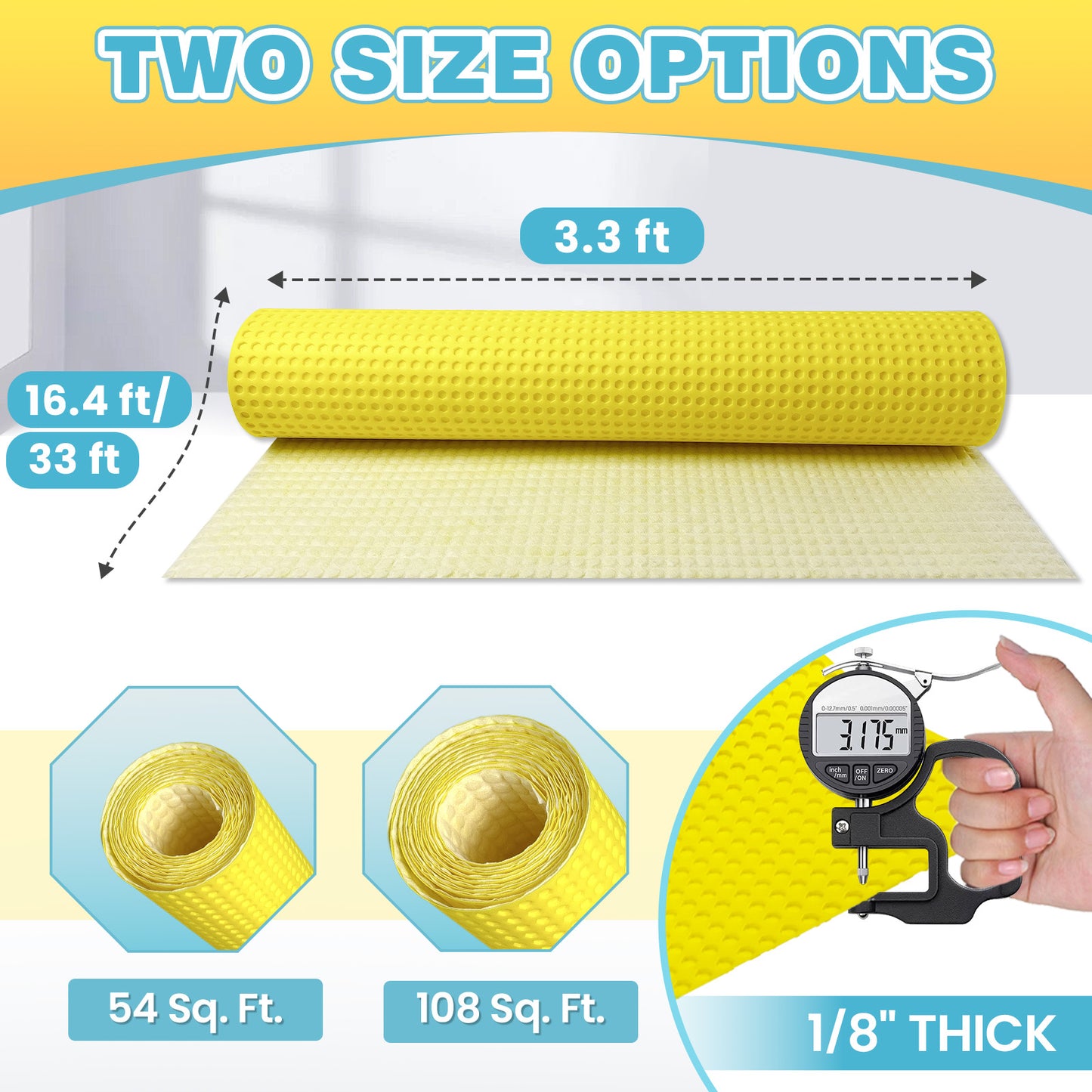
MAXKOSKO Tile Crack Prevention Underlayment Mat is a standard non-adhesive uncoupling membrane designed to help protect ceramic, porcelain, and natural stone tile from cracking caused by minor movement between the substrate and tile covering.
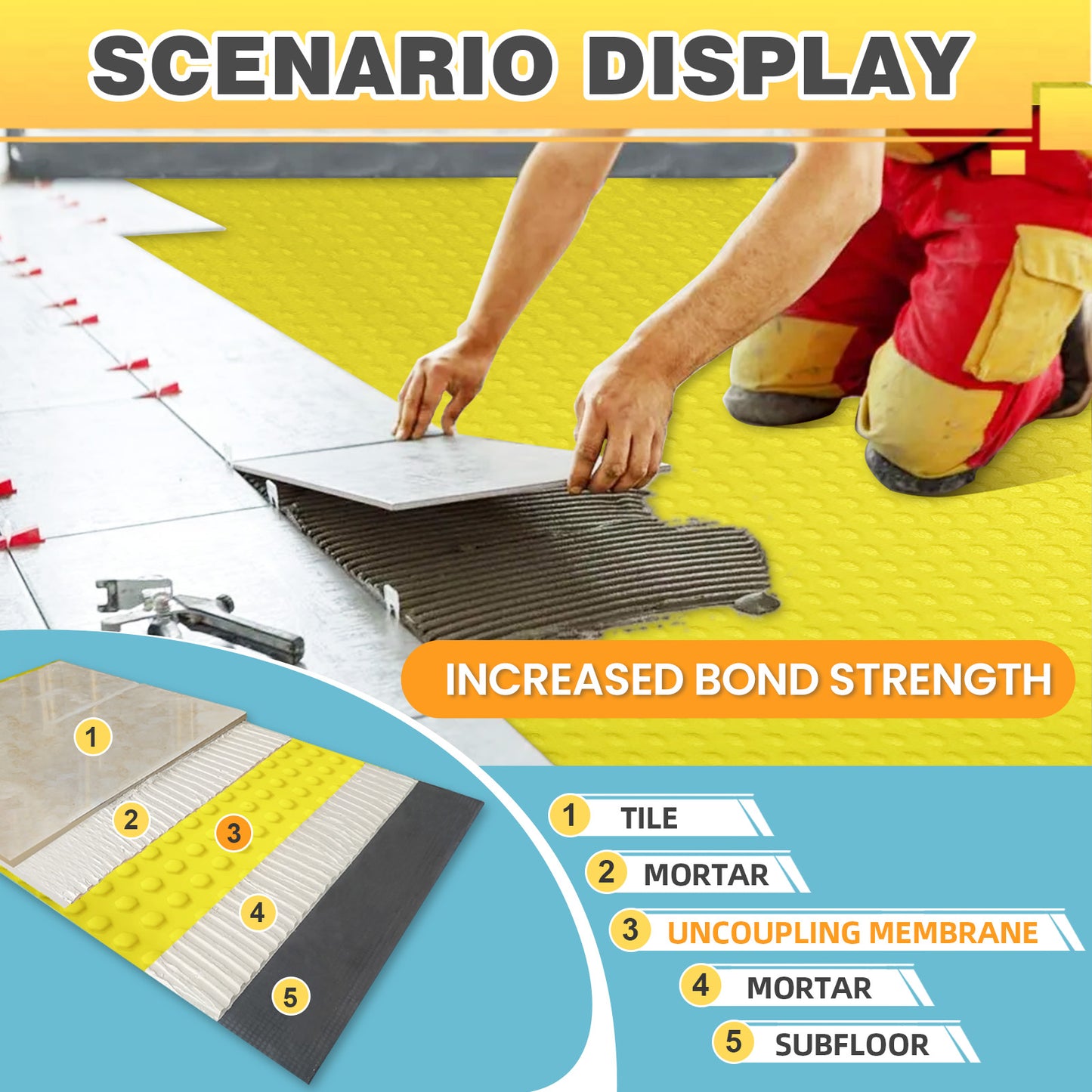
The durable HDPE membrane is installed with suitable thin-set mortar beneath and above the membrane. Its dimpled structure helps distribute loads, improve mortar bonding, and create a protective separation layer between the subfloor and finished tile.
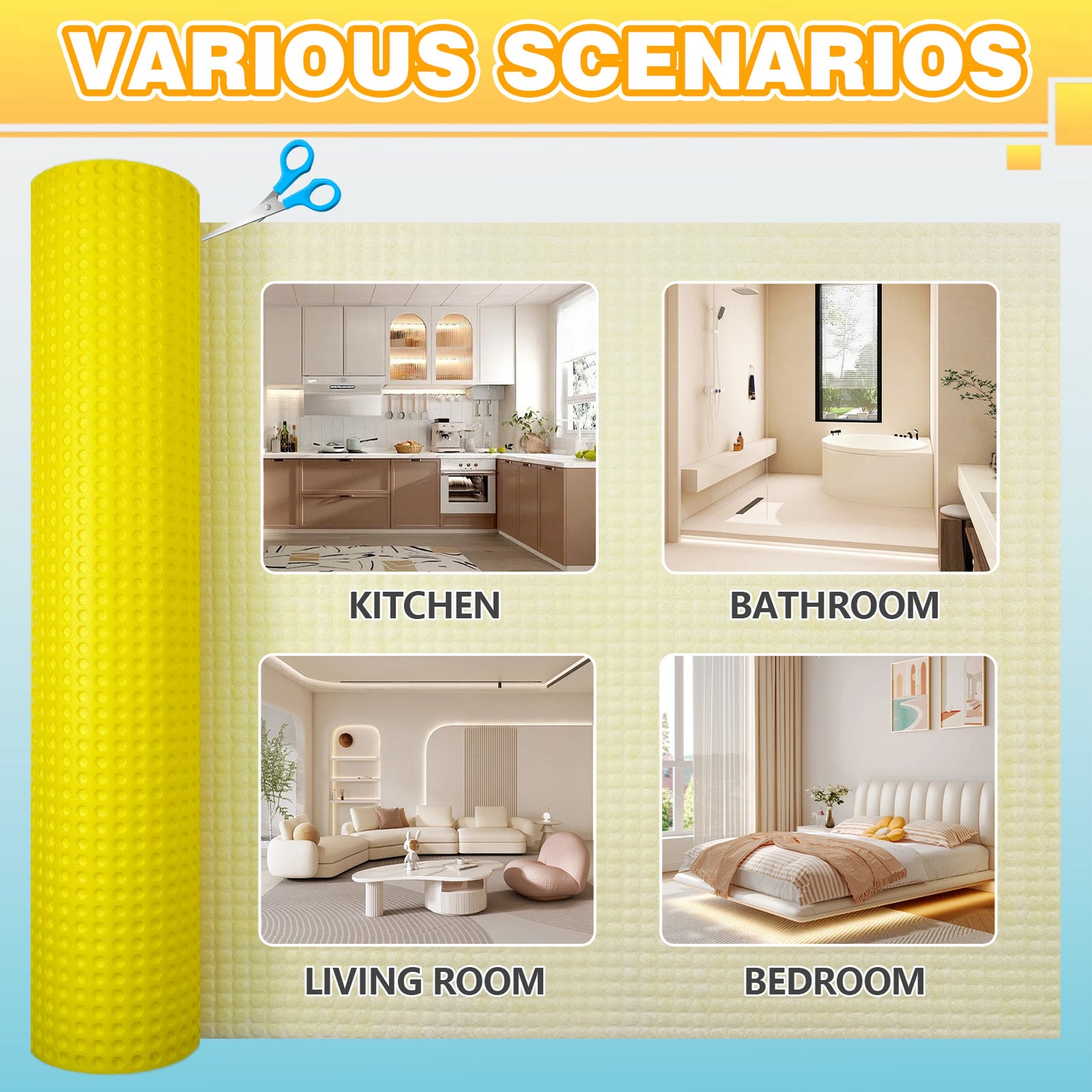
This economical tile underlayment is suitable for bathrooms, kitchens, basements, entryways, and other interior tile projects over properly prepared concrete, plywood, OSB, gypsum underlayment, and other approved substrates.
Looking for easier installation or upgraded bonding performance? Compare the Self-Adhesive Uncoupling Membrane and the Double-Fleece Uncoupling Membrane .
Helps reduce stress transfer caused by minor movement between the substrate and finished tile surface.
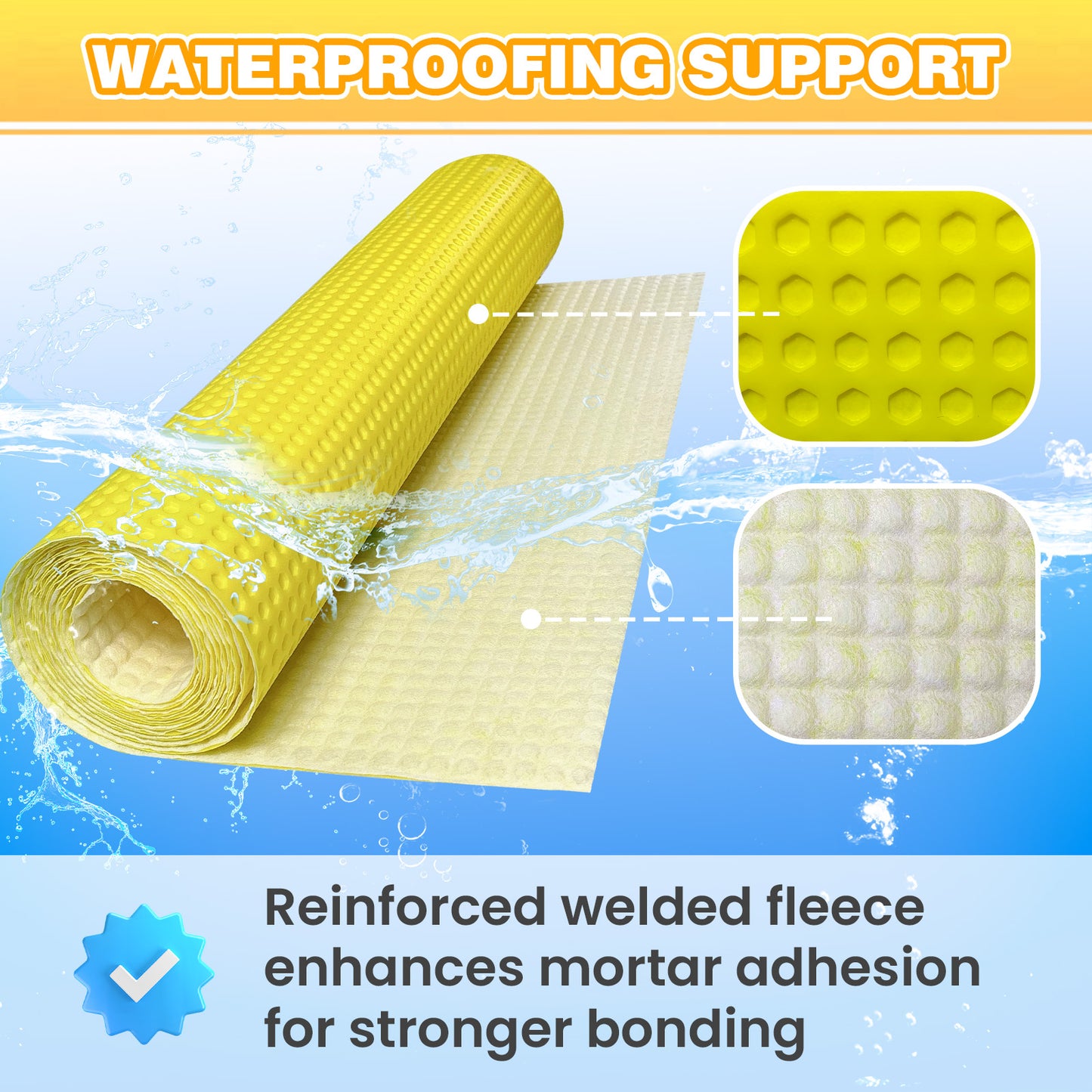
Helps protect moisture-sensitive substrates when seams, corners, and transitions are properly sealed.
The structured surface creates cavities that fill with thin-set mortar for stable tile support.
Helps spread loads across the tiled surface and reduce concentrated stress beneath individual tiles.
The lightweight membrane can be measured and cut to match different room layouts and floor areas.
Suitable for properly prepared concrete, plywood, OSB, gypsum, and other approved substrates.
Non-Adhesive Design: This basic membrane does not have a peel-and-stick backing. Suitable thin-set mortar is required to bond it to the subfloor.
Mortar Requirements: Thin-set mortar is required both beneath the membrane and above the membrane before installing tile.
Subfloor Condition: The substrate must be structurally sound, flat, clean, and free from dust, grease, loose material, or other contaminants.
Waterproof Installation: Seams, corners, penetrations, and floor-to-wall transitions must be properly sealed when a complete waterproof assembly is required.
Structural Limitations: The membrane does not repair excessive floor deflection, unstable framing, loose subfloor panels, or major structural cracks.
MAXKOSKO Tile Crack Prevention Underlayment Mat is designed for interior tile projects requiring basic uncoupling protection, moisture protection, and load distribution.
| Product Type | Non-Adhesive Tile Uncoupling Membrane |
| Material | Durable HDPE |
| Installation Method | Mortar-Bonded Installation |
| Main Functions | Uncoupling, Anti-Crack Protection, Waterproofing Support and Load Distribution |
| Compatible Tile Types | Ceramic, Porcelain and Approved Natural Stone Tile |
| Typical Substrates | Concrete, Plywood, OSB, Gypsum Underlayment and Other Approved Subfloors |
| Self-Adhesive Backing | No |
| Double-Fleece Construction | No |
| Mortar Required Below Membrane | Yes |
| Mortar Required Above Membrane | Yes |
MAXKOSKO offers three tile underlayment options. Choose according to your preferred installation method, project budget, and required bonding performance.
| Product | Installation Method | Best For |
| Tile Crack Prevention Underlayment Mat | Standard non-adhesive membrane installed with thin-set mortar | Economical crack protection for general tile projects |
| Self-Adhesive Uncoupling Membrane | Peel-and-stick backing with no mortar required underneath | Faster and cleaner floor preparation |
| Double-Fleece Uncoupling Membrane | Mortar-bonded installation with fleece layers on both sides | Enhanced mechanical bonding and vapor management |
Choose the Basic Non-Adhesive Membrane: For an economical solution focused on standard tile crack protection and mortar-bonded installation.
Choose the Self-Adhesive Membrane: When faster peel-and-stick installation is preferred and you want to eliminate mortar beneath the membrane. View Product
Choose the Double-Fleece Membrane: When stronger mechanical bonding, reinforced construction, and additional vapor management are preferred. View Product
Prepare a flat, stable, and clean substrate. Apply suitable thin-set mortar with an appropriate notched trowel, place the membrane into the fresh mortar, and press firmly for complete contact. Apply compatible thin-set mortar over the membrane before installing the tile.
Confirm Full Contact: Lift a corner during installation to verify that the mortar is properly transferring to the underside of the membrane.
Seal Required Areas: Properly seal seams, corners, edges, and transitions when waterproofing is required.
Maintain Movement Joints: Do not cover or eliminate required structural, perimeter, expansion, or movement joints.
Follow Manufacturer Instructions: Use mortar suitable for the substrate, membrane, tile type, and project conditions.
No. This is the standard non-adhesive version. Thin-set mortar is required to bond the membrane to the prepared subfloor.
Yes. Mortar is required beneath the membrane for subfloor bonding and above the membrane for tile installation.
Yes, when the substrate is structurally sound, flat, properly prepared, and suitable for a bonded tile installation.
No. The membrane provides a waterproof layer, but seams, corners, penetrations, and transitions must be properly sealed to create a complete waterproof assembly.
No. It helps manage stress caused by minor substrate movement but cannot repair structural cracks, excessive deflection, loose panels, or unstable framing.
This basic membrane requires thin-set mortar beneath it. The Self-Adhesive Uncoupling Membrane includes a peel-and-stick backing that bonds directly to a properly prepared substrate, reducing installation steps.
The Double-Fleece Uncoupling Membrane uses fleece bonding layers on both sides for stronger mechanical bonding and additional vapor management. This basic version is a simpler and more economical option for general tile crack protection.
Choose the membrane based on your installation method, substrate condition, project budget, and required bonding performance.


Overall rating: 5.0 / 5 from 3 reviews.
Review topics: [].
"I used this for a small bathroom remodel and it was a total game-changer. The mat is very easy to handle and cut to size."
"really liked it"
"The instructions were simple. I’ve never used a uncoupling membrane before so I wasn’t sure what to expect. I found it easy to cut with a utility knife or scissors. It glued down easily and seems durable and once installed will be difficult to penetrate. The yellow color helps identify any gaps and it is easy to cut straight lines because of the geometric honeycomb pattern."